Gelatarrhine baboons & Nubian ibexes


Regardless of the weather, the jungle-like mandrill enclosure offers an ideal environment for both humans and animals. Enlarged indoor spaces for the mandrills allow these cheek-grooved baboons to be observed in the viewing area even during the winter. With the opening of the Mandrill House in 2016 (the former ape house was converted into the Mandrill House), the entire evolutionary spectrum of developmental stages – from monkeys and lemurs to great apes – is presented like beads on a string, making it easy to follow the zoo tour. The Mandrill House is also an integral part of the zoo tour.
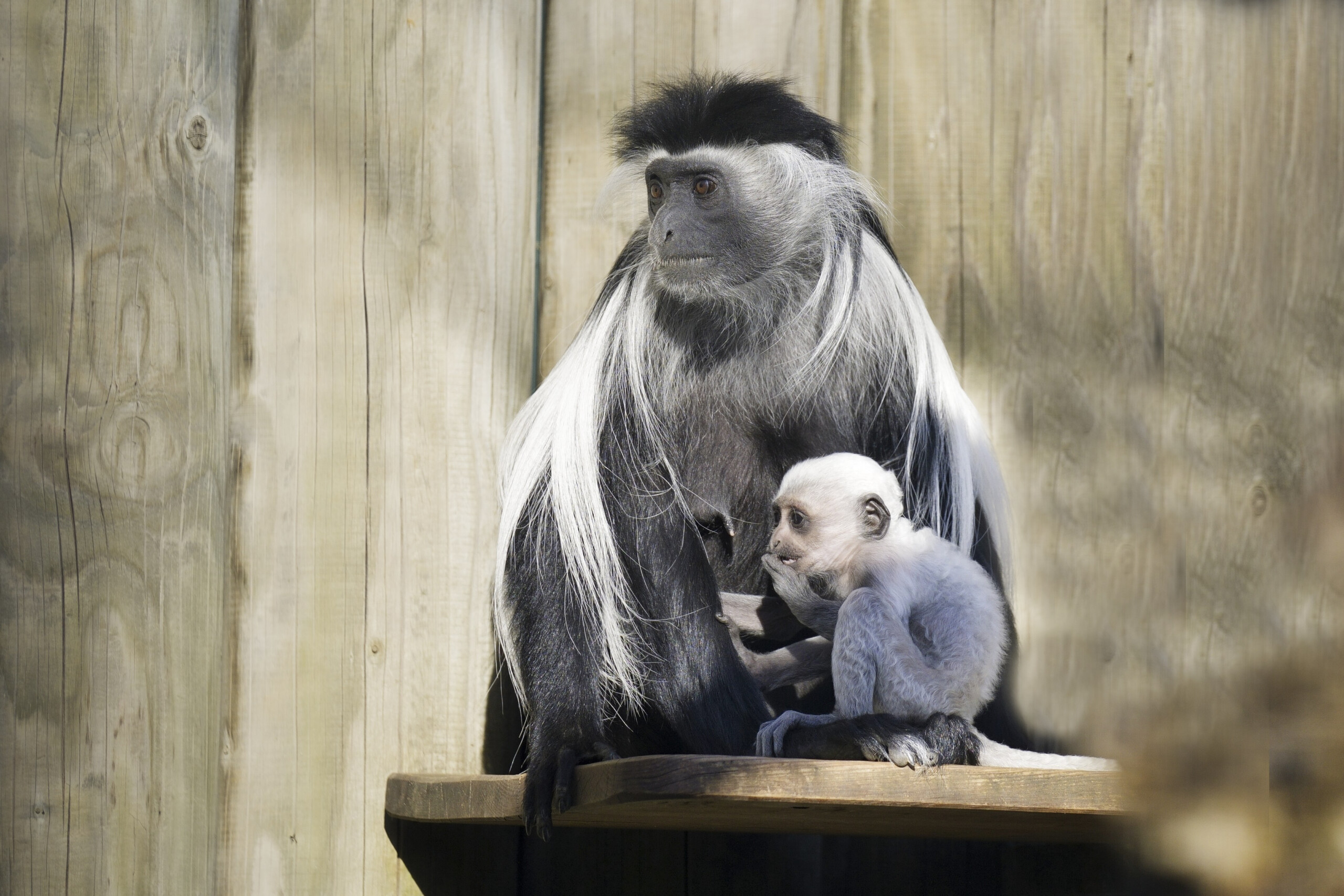
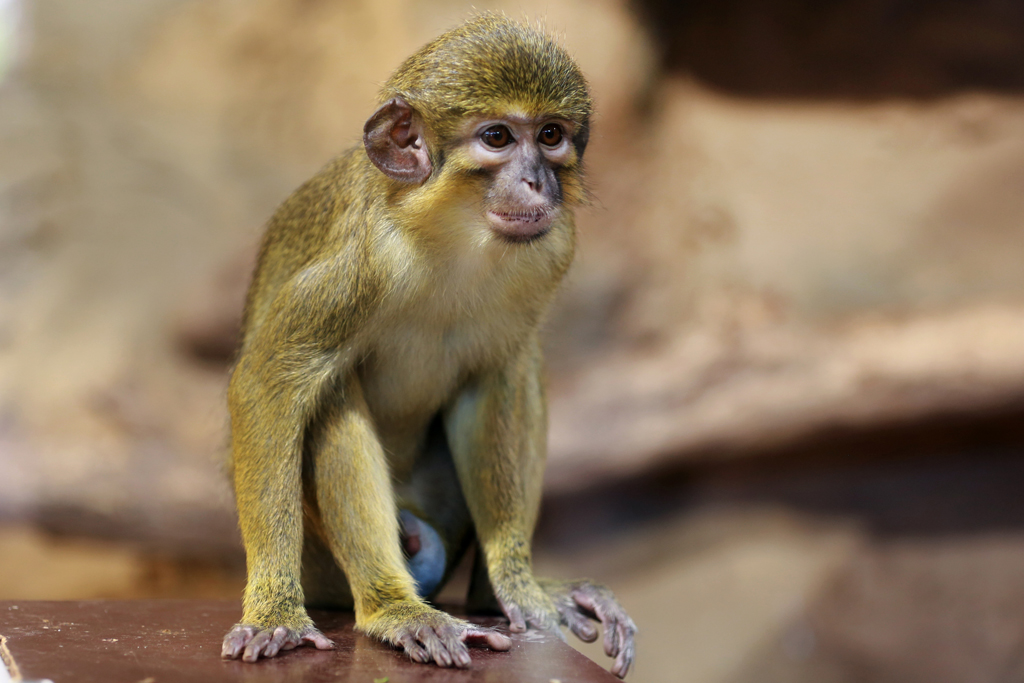
Among the inhabitants of the mandrill house is a group of northern dwarf monkeys. This is the only group of this species to be observed in a German zoo. Tanzanian colobus monkeys also inhabit the mandrill house. They are rarely found in the animal collections of European zoos.
Visitors to the mandrill house are treated to a completely new perspective on the flamingo enclosure. The mandrill house is not only a climbing paradise for the two monkey species; its natural flooring allows for the scattering of food, thus providing further enrichment for the animals. Horizontal and vertical shifts in perspective offer visitors unusual insights into the animal enclosures. The popular tower from the old ape house has been preserved in the renovated mandrill house, and the visitor walkway has been renewed and adapted to the new enclosures.